

When someone asks you for a “professional photo,” do you know what you should send?
That question comes up more often than people realize. A company may ask for a headshot. A conference organizer may request a branding image. A podcast host may simply say, “Send us a photo for promotion.” Those requests can sound interchangeable, but they are not always asking for the same thing.
Your image may appear on a company website, speaker flyer, podcast announcement, media feature, social media graphic, conference program, book cover, or sales page. The right photograph helps the person designing that material do their job well. The wrong one may be difficult to crop, may not fit the space, or may communicate something different from what the opportunity requires.
So, let’s make the difference clear.
What is a professional headshot?
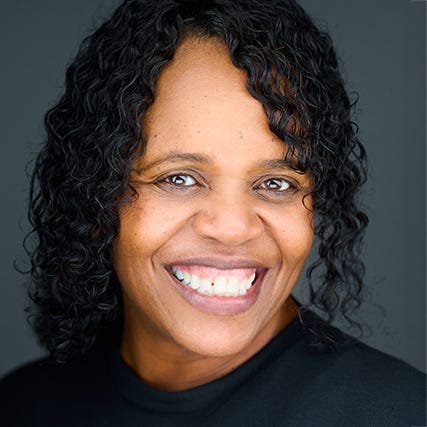
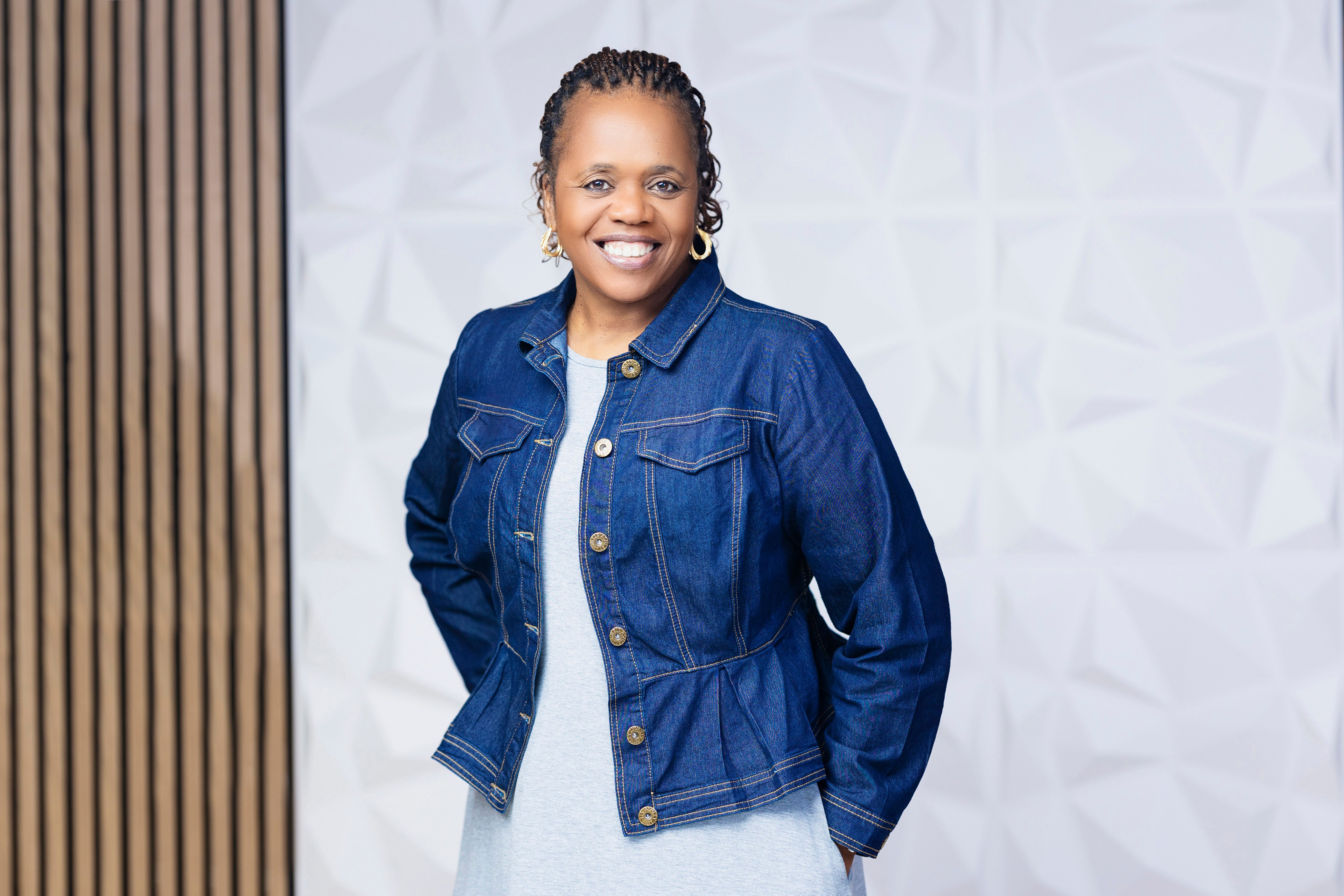
A professional headshot is a clean, closely framed portrait in which your face is the primary focus. Depending on the intended use, it may show your head and shoulders or extend to approximately mid-torso. The background is usually simple, and the expression, lighting, posture, and clothing are chosen to communicate the qualities you want associated with you, such as confidence, warmth, approachability, leadership, or authority.
A headshot answers the question: Who is this person?
You generally need a professional headshot for:
Your LinkedIn profile and company directory
An email signature or professional biography
A speaker one-sheet or conference program
A podcast guest profile
A press release, media interview, or author biography
Professional association and board profiles
A website About page or team page
Applications, awards, and nominations
The close framing matters because many of these photographs are displayed very small. On LinkedIn, for example, your image appears in a small circle beside your name. If you use a full-body photograph, your face may become too small to recognize.
LinkedIn currently reports that members with a profile photo receive up to twice as many profile views and three times as many connection requests. LinkedIn also recommends that the face fill approximately 60 percent of the frame. That does not prove that any photograph will produce business, but it does show that being visible and recognizable affects how people engage with a professional profile.
Research has also shown how quickly people begin forming impressions from a face. In a series of experiments, participants made trait judgments after seeing an unfamiliar face for only 100 milliseconds…one-tenth of a second. Those instant judgments are not always fair or accurate, but they remind us that a professional image begins communicating before someone reads your résumé, biography, or list of credentials.
What is a branding image?
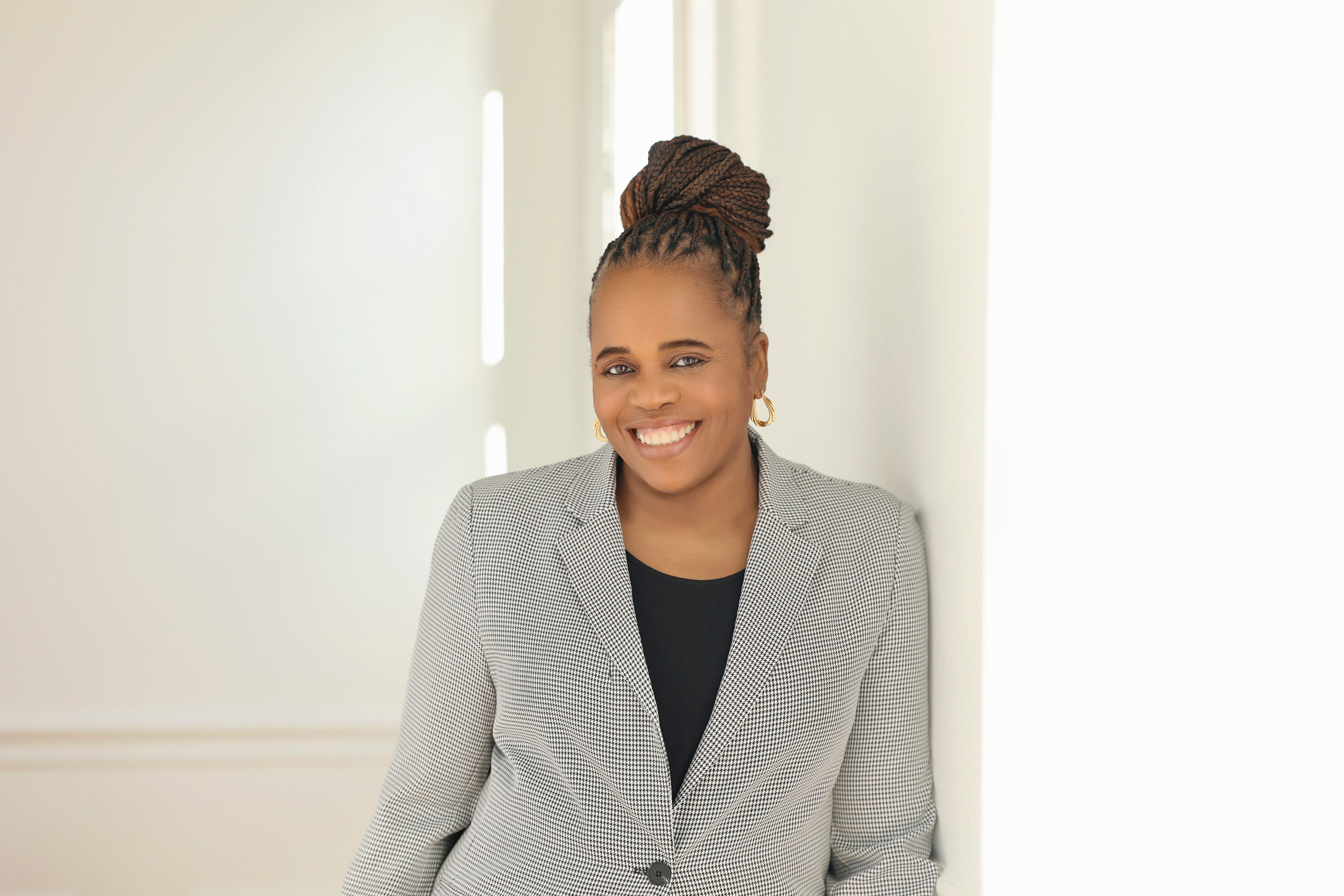
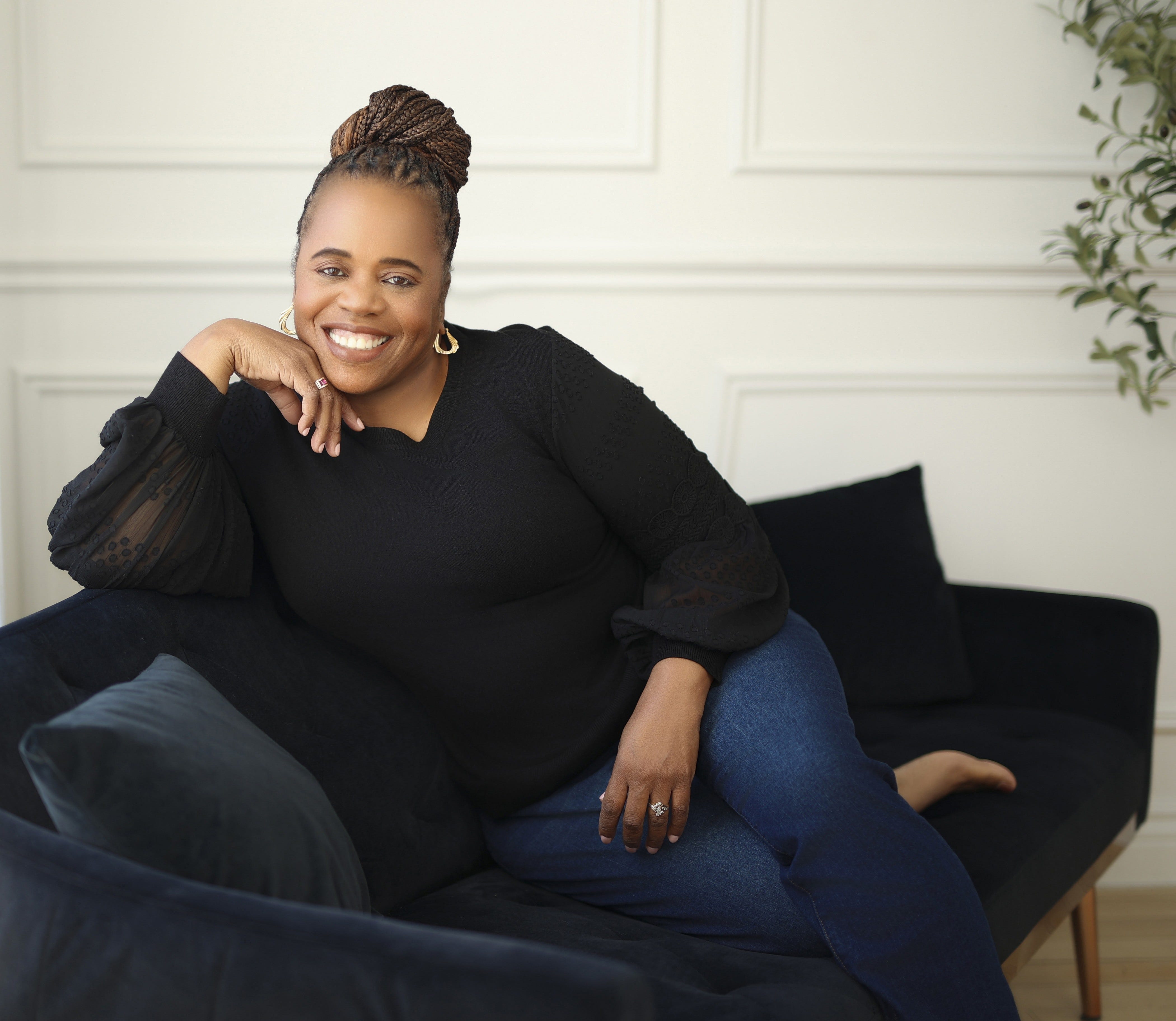
A branding image is a broader visual storytelling photograph. It may show more of your body, your environment, your tools, your work, or your personality. It is usually created with room for text and flexible cropping so it can support marketing materials across several platforms.
A branding image answers questions such as: What do you do? What does your brand feel like? What kind of experience can people expect from you?
You may need branding images for:
Website banners and landing pages
Social media posts, articles, and advertisements
Speaker announcements and event flyers
Podcast cover art, episode graphics, or promotional campaigns
Course launches, email campaigns, and sales pages
Book marketing and media kits
Press features that want more than a standard portrait
Ongoing content for a founder, coach, consultant, author, influencer, or creative professional
Branding images may include you working at a desk, speaking, holding your book, using your camera, recording a podcast, interacting with a client, or photographed in a setting connected to your message. They can also express different sides of your brand: polished, conversational, authoritative, creative, welcoming, or bold.
The setting is not there merely to look attractive. It should help tell the right story.
What does “branding headshot” mean?
This is where the language becomes confusing.
“Branding headshot” is not a universally precise format. Some photographers use the phrase to describe a close portrait created to match a person’s brand colors, personality, audience, or profession. Others use it as a general name for any professional branding photograph.
If a company, podcast, publication, or event organizer asks for a branding headshot, do not guess. Ask:
Do you need a close head-and-shoulders photograph or a wider image?
Will the image be cropped into a square, circle, vertical, or horizontal format?
Do you need open space beside me for text?
Is there a required file size, resolution, or background?
If they cannot give you detailed specifications, send two clearly labeled options: one standard headshot and one wider branding image. Let their designer choose the best fit.
How the needs change by industry
Corporate professionals and company teams
Start with a consistent professional headshot. A company directory, leadership page, press announcement, and LinkedIn profile usually require a clean image that keeps attention on the person. Companies may also need environmental branding photographs for recruiting campaigns, annual reports, thought-leadership articles, and marketing.
Speakers
Speakers need both. Your standard headshot is useful for programs, directories, badges, and biographies. Your branding images give event organizers options for banners, promotional graphics, websites, and social content. A wider vertical or horizontal image with space around you is especially valuable when a designer needs to add your name, talk title, date, or logo.
Podcast hosts and guests
A podcast guest should have a recognizable headshot that still works when reduced to a small episode graphic. A host who markets consistently also benefits from branding images for season launches, guest announcements, behind-the-scenes content, and sponsor materials. If a host requests a “promo photo,” ask about the layout before choosing the image.
Entrepreneurs, coaches, consultants, and authors
Your audience is often buying access to your expertise, perspective, or process. A headshot establishes who you are. Branding images help show how you work and give you a visual library for your website, offers, speaking, articles, email marketing, and social media.
Content creators and influencers
Branding images are usually the larger need because content must be published frequently and in multiple formats. However, creators still need a strong standard headshot for platform profiles, media inquiries, collaborations, and speaker or contributor biographies.
A simple way to decide what you need
Choose a headshot when the primary goal is recognition, identification, or professional credibility in a small space.
Choose a branding image when the goal is storytelling, marketing, promotion, or showing the experience connected to your work.
Choose both when you are building a visible personal brand, pursuing speaking or media opportunities, launching offers, or regularly creating content.
Most established professionals should keep at least:
One current, tightly cropped professional headshot
One slightly wider professional portrait
A small collection of vertical and horizontal branding images
Images with open space on both the left and right for promotional copy
A range of expressions that fit different messages
When should you update your images?
Your photograph should still look like the person who will walk into the room or appear on the video call. Update it when your appearance has changed noticeably, your role or audience has changed, your visual brand has changed, or the image no longer represents the level at which you are working.
You should also update your library when you keep reusing the same photograph because it is the only one you have. The goal is not to take new pictures simply to keep up with a trend. The goal is to have the right visual asset ready when an opportunity arrives.
Your photos should be prepared before you need them
A last-minute request from a conference, publication, podcast, employer, or potential partner is not the time to discover that your only current image is a cellphone crop from a group photograph.
A professional headshot helps people recognize and remember you. Branding images give your work context and help other people market you accurately. Together, they create a visual library that supports your credibility, visibility, and growth.
Before your next photography session, do not ask only, “Do I need new pictures?” Ask a better question:
Where does my work need to be seen, and what images will those opportunities require?
If you are unsure whether you need a focused headshot session, a branding session, or a combination of both, Detroit City Headshots can help you plan the images around how you will actually use them.
Learn more at Detroit City Headshots
Deb, I love this! As a photographer, I firmly believe a headshot should do more than prove you survived hair, makeup, traffic, and being told to “look natural” while a camera is pointed directly at your soul. 😂📸
A great headshot should say, “I am confident, capable, approachable, and yes, I absolutely practiced this smile in the bathroom mirror before I came here.”
Branding photos take it to another level. Now we are not just photographing your face. We are photographing your personality, your business, your energy, your coffee cup, your laptop, your favorite chair, your carefully arranged desk, and seventeen props you swear you use every day.
And please update your headshot occasionally. If your current photo was taken when your phone had an antenna, your computer screamed before connecting to the internet, or your hairstyle required industrial quantities of hairspray, we need to talk. 😂
Photographers also know the truth. The minute we say, “Just relax,” people suddenly forget how to stand, where their hands belong, what their chin does, and whether humans normally have teeth.
Then comes my favorite moment.
“Give me a natural smile.”
Immediately, the client produces an expression suggesting they have just been informed the IRS is waiting in the lobby.
Deb, you do such a wonderful job helping people feel comfortable and confident in front of the camera. That is a talent all by itself.
Because sometimes photography is 10% lighting, 20% posing, 30% psychology, and 40% saying, “No, really, you look great,” while secretly wondering why the left shoulder has declared independence from the rest of the body. 😂😂📸
And if nothing works, bring snacks.
Everyone looks more trustworthy holding a cookie.
Your the best headshot photographer around
Deb did this headhot!